Navratri: Where Music, Faith, and Culture Converge
The word navratri translates to nine nights. This is a nine night celebration that honors the Maa Durga. It is said that Lord Brahma granted Mahisasura a boon that only a woman would be able to defeat him. Mahisasura did not believe a woman could be powerful enough to defeat him. When enough hardship had been caused by Mahisasura, the energy of Brahma, Vishnu and Mahesh were combined and Durga came into form. Maa Durga manifested nine forms (Shailaputri, Brahmacharini, Chandraghanta, Kushmanda, Skandamata, Katyayani, Kalaratri, Mahagauri, Siddhidatri).
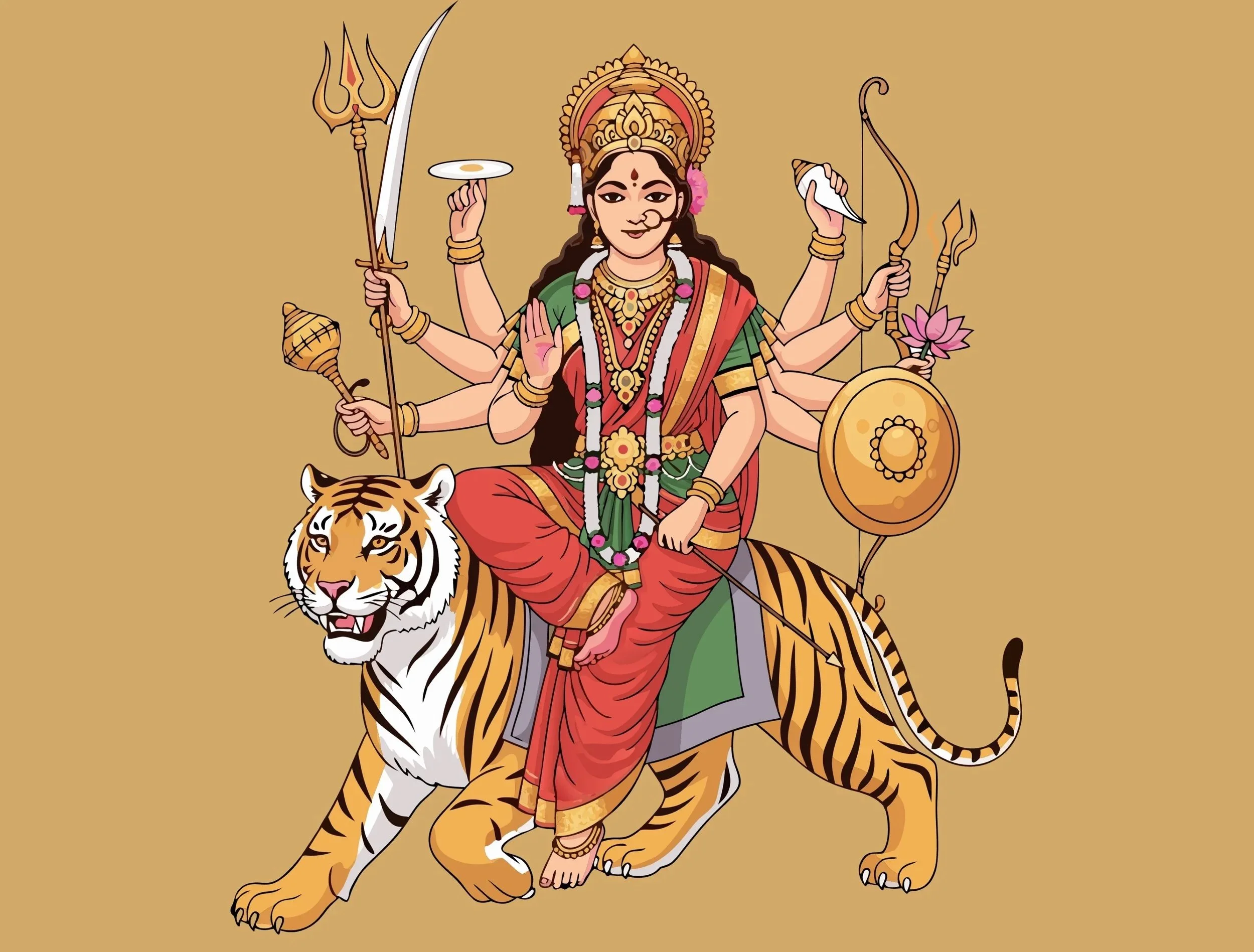
Navratri is celebrated in unique ways in different parts of India and Nepal which can be Durga Puja, Saraswati Puja, Lakshmi Puja. For some it is also a celebration of the defeat of Ravana by Ram.
Navratri is prominently celebrated in Gujarat with the dance known as “Garba”. The word garba originates from the word garbo; in Sanskrit this word translates to womb and symbolizes the cycle of life, birth, death, and rebirth, and honors the divine feminine energy of the Goddess. In Gujarat, a garbho is a decorated clay pot or lantern which is lit at the start of Navratri. Garba now refers to the traditional Gujarati folk dance which is done for 10 nights - the 9 nights of Navratri and the 10th Vijayadashmi. The dance involves a series of graceful movements, including claps, twirls, and steps that follow the beat of the traditional dhol, a double-headed drum. The dance is done with the garbho and Maa Durga at the center and individuals dancing around her, symbolizing importance of divine feminine energy.
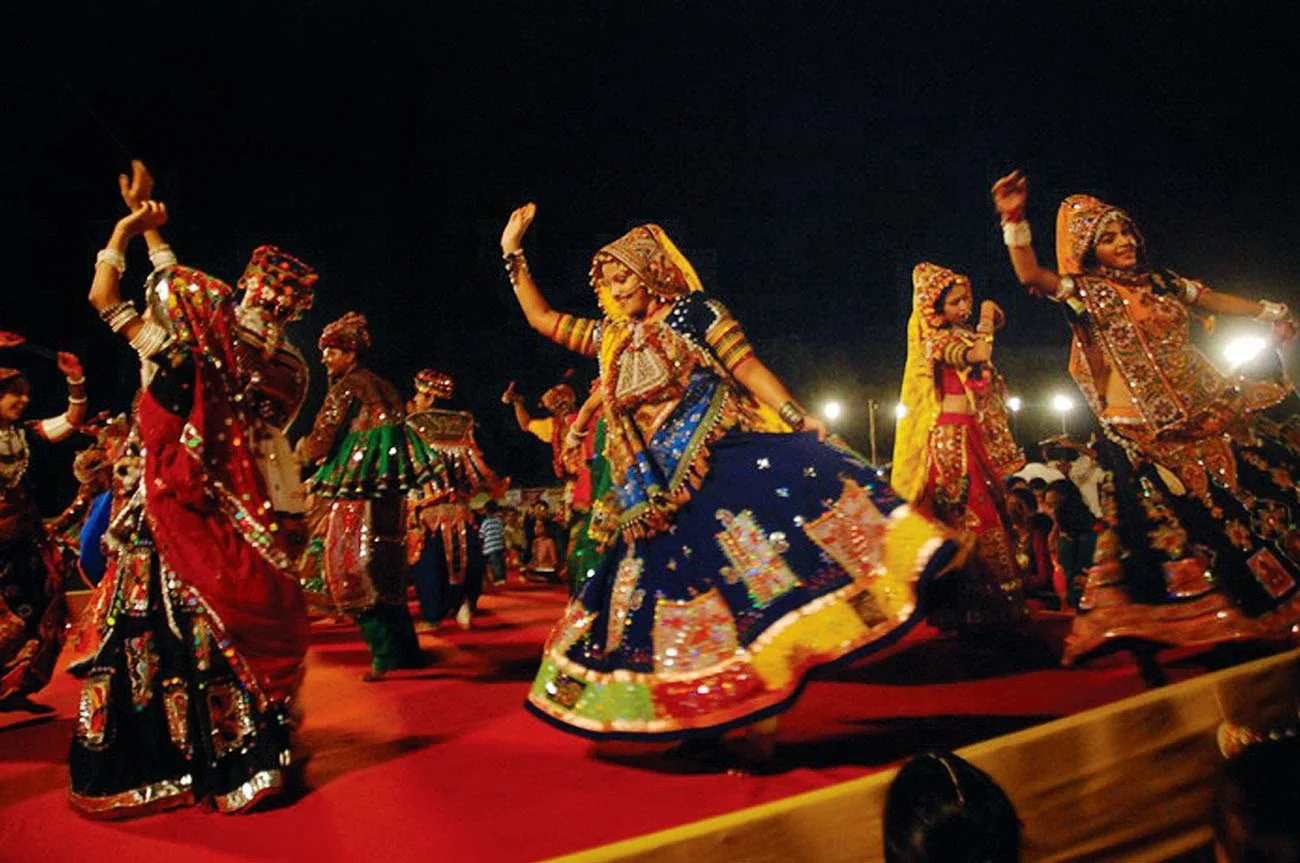
In the contemporary era, Navratri and Garba have transformed from primarily devotional practices into large-scale cultural festivals that blend tradition with modernity. While the spiritual essence of honoring Goddess Durga remains central, Garba has also become a platform for artistic innovation, with fusion music, elaborate light shows, and choreographed performances attracting diverse audiences. Urban centers in Gujarat and across India host massive Garba events drawing thousands of participants, while the Indian diaspora has carried the tradition worldwide, making Navratri a global celebration of Indian culture. At the same time, Garba serves as a space for social bonding and cultural pride, often crossing religious and regional boundaries. This blending of sacred devotion, cultural identity, and modern entertainment makes Navratri and Garba a living tradition that continues to evolve with changing times. It is beautiful to see contemporary artists embracing the tradition of Navratri and Garba.
Political Relevance of Garba:
Garba, though primarily a devotional and cultural practice, has also carried political significance over time. During the colonial period, Garba gatherings often became spaces for collective identity formation and quiet resistance, as large community assemblies under the guise of religious devotion allowed people to maintain cultural solidarity in the face of British control. In the post-independence era, Garba grew into a symbol of Gujarati pride, with state leaders promoting it as a marker of regional heritage and “Gujarati asmita” (identity). In recent decades, Garba during Navratri has also taken on a political dimension in electoral politics, as parties often sponsor or participate in large-scale Garba events to connect with communities, showcase cultural alignment, and strengthen their mass appeal. Thus, what began as a folk devotional practice has, at different times, intersected with politics, shaping and expressing both cultural identity and social power.
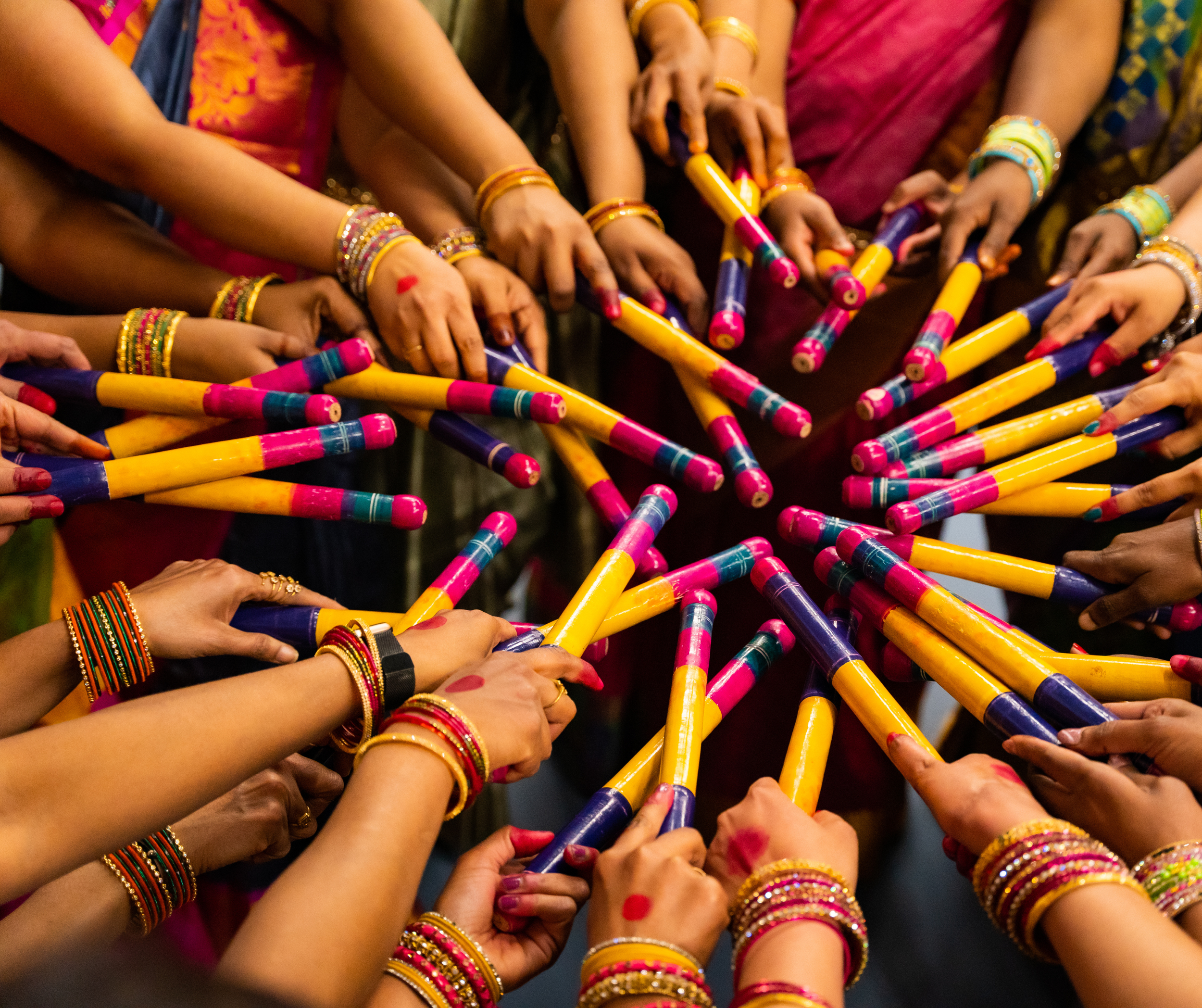
Although Garba has intersected with politics throughout history—serving as a symbol of community solidarity during colonial times and as a marker of regional pride in modern politics—it continues to be embraced today as a tradition that transcends political boundaries. In the contemporary era, Garba has grown into an inclusive cultural celebration where people of all ages, backgrounds, and even faiths join in the music and dance, united by the spirit of joy and togetherness. Its circular form itself symbolizes equality and the cycle of life, reminding participants that everyone shares the same space regardless of social divisions. This openness has allowed Garba to flourish not only in Gujarat but also across India and the global diaspora, where it is cherished as a vibrant expression of cultural heritage that welcomes all to participate.
Music and Navratri
Navratri has a rich history surrounding music. During this time of year, garba music which is traditional folk music is sung as a devotional practice to honor the goddess Durga, symbolizing the cycle of life, birth, and death, and the triumph of good over evil. The music originated in the villages of Gujarat, where it was (and continues to be) performed in communal gathering spaces in the center of the village with the entire community participating. The music embraces the theme of shared identity and enduring tradition. Garba music was shared originally through oral tradition in the village setting.
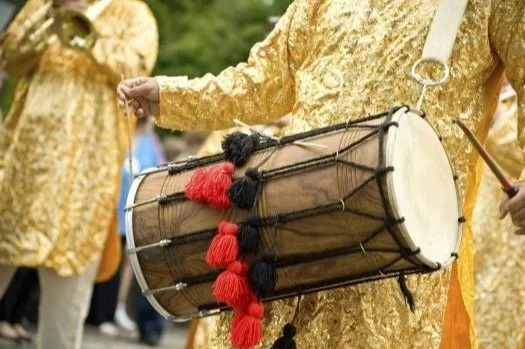
The evolution of music has played a vital role in shaping Garba, allowing it to remain both culturally rooted and socially relevant across generations. Originally performed with simple folk instruments like the dhol, nagada, and manjira, Garba music was devotional and intimate, centered on praising the Goddess and uniting small village communities. As instruments such as the harmonium, tabla, and shehnai were introduced, Garba absorbed elements of classical and bhakti traditions, enriching its sound. In the modern era, microphones, amplified percussion, and Bollywood-inspired melodies transformed Garba into a spectacle for mass audiences, while in contemporary times, electronic beats, fusion bands, and DJs have redefined its reach, making it appealing to global audiences without losing its devotional undertone. This adaptability shows how Garba thrives by embracing musical evolution—retaining its spiritual essence while evolving into a vibrant, inclusive tradition that resonates with both local and international communities.
Significance of Kuldevi and Navratri
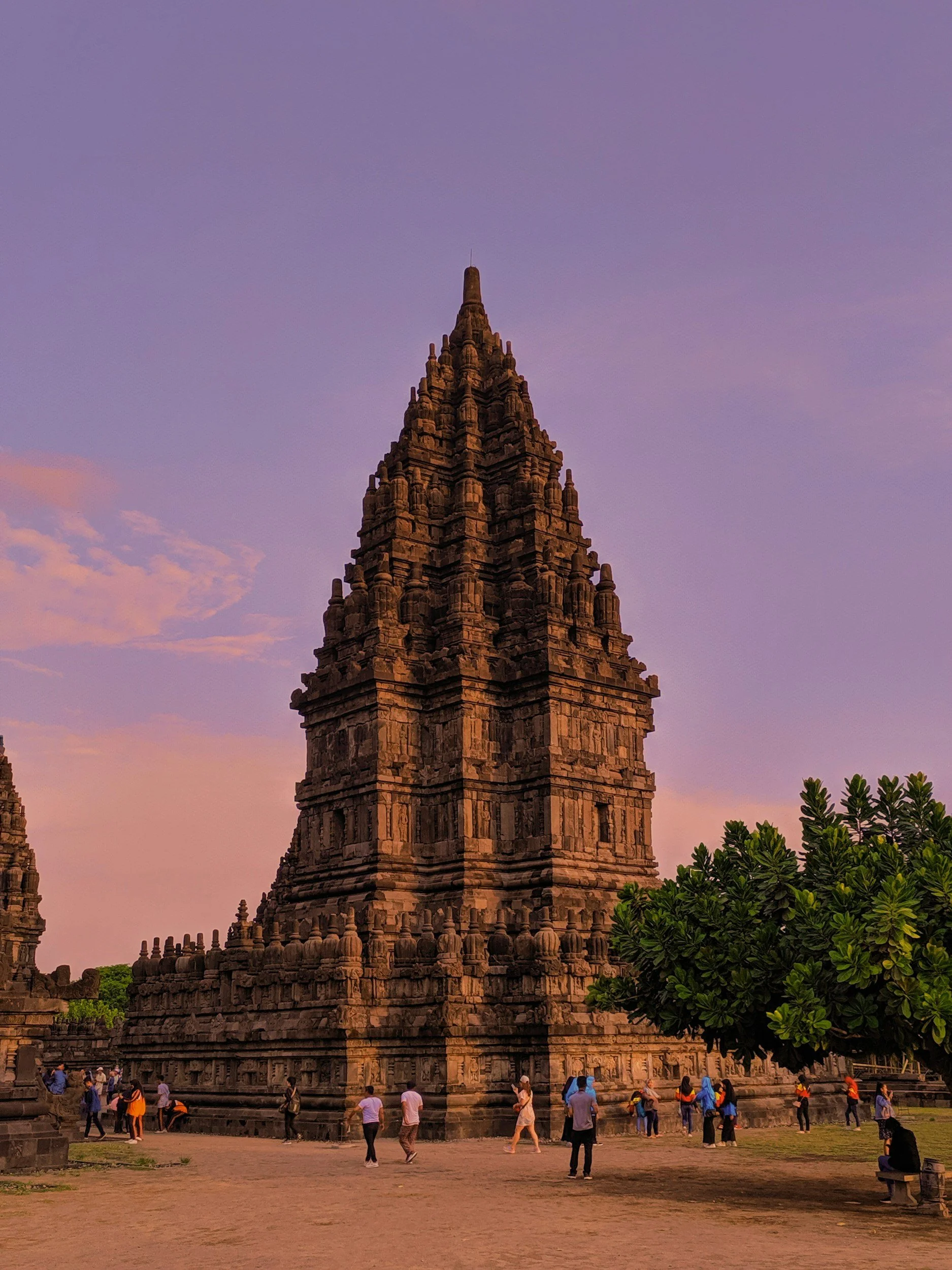
The Kuldevi, or family goddess, holds profound spiritual and cultural significance, serving as the ancestral guardian who protects and blesses the family lineage. During Navratri, this devotion is closely intertwined with Garba, as families honor their Kuldevi while participating in the communal dance and music that celebrate the divine feminine. Garba becomes not only a vibrant cultural expression but also a devotional offering, allowing participants to express reverence for their ancestral deity through rhythm, song, and movement. This connection between Kuldevi worship and Navratri festivities reinforces familial continuity, spiritual devotion, and community bonding, highlighting how personal faith and cultural celebration seamlessly merge. Through this tradition, Navratri and Garba embody both the worship of divine energy and the honoring of family heritage, making them inclusive celebrations that are spiritually meaningful and socially unifying.
