Before Carols: How Early Christians Sang
The earliest Christians didn’t sing in English or even Latin at first. Their devotional music grew from communities across the Middle East and North Africa, written in Greek, Syriac, Coptic, and early Latin. These hymns, like the Oxyrhynchus Hymn, were the backbone of early Christian worship.
Early Christians believed singing united the community, carried scripture into the heart, and invited the sacred into ordinary life.
This idea would become the seed of the carol.
The Carole: When Carols Were for Dancing
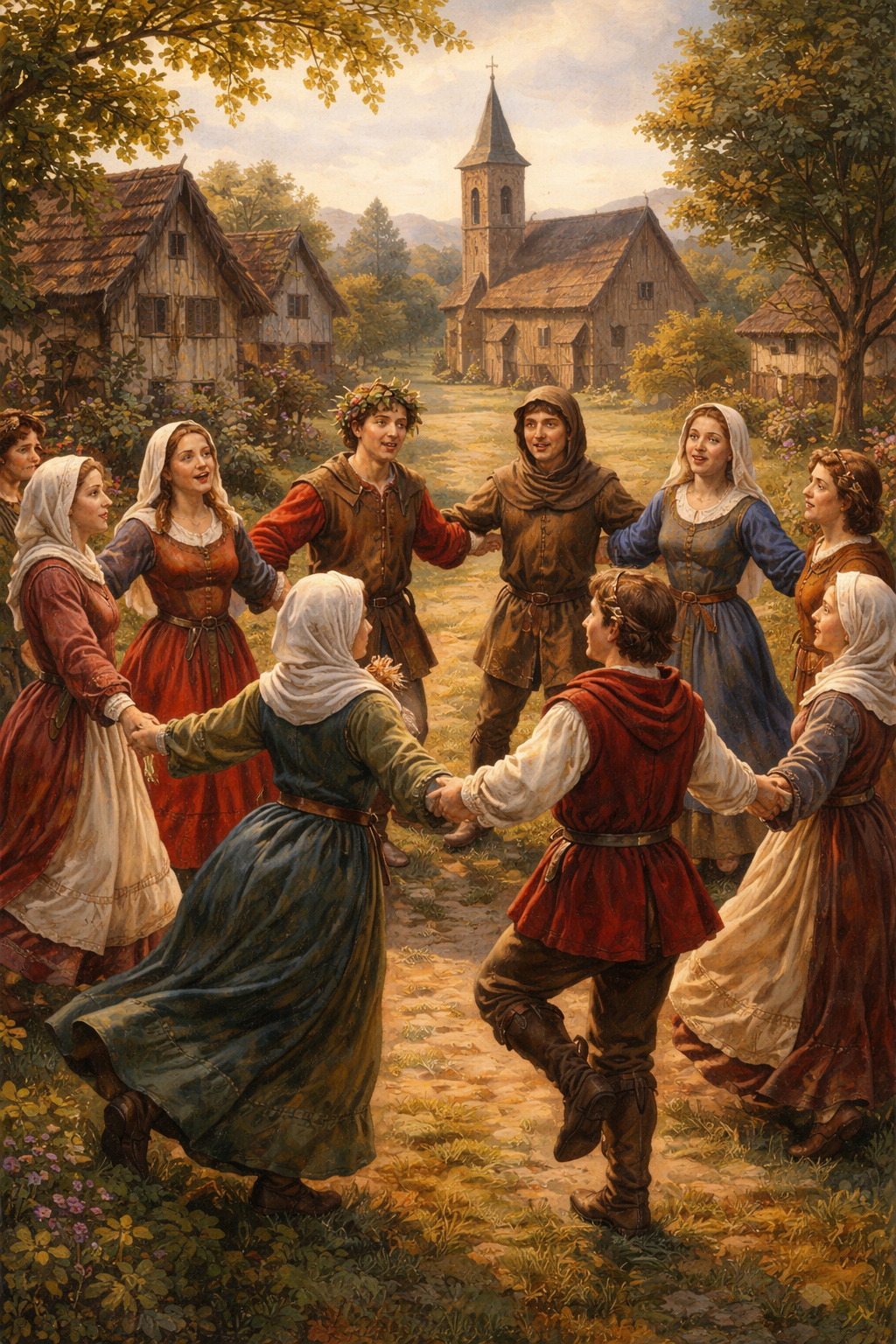
The word carol doesn't mean “Christmas song” at all in its origin. It comes from the Old French carole, a lively circle dance accompanied by singing. Imagine:
villagers holding hands in a ring
stepping lightly in rhythm
singing verses with a repeated chorus
often led by women in festive gatherings
These were communal celebrations, not church rituals. The music was joyful, social, and rooted in the rhythms of everyday life—harvests, spring festivals, weddings, feasts.
By the 13th and 14th centuries, the dance fell out of fashion, but the musical structure lived on:
stanzas that told a story
a refrain called the “burden”
a melody simple enough for everyone to sing
This structure forms the backbone of the Christmas carol as we know it.
From Lullabies to Nativity Carols
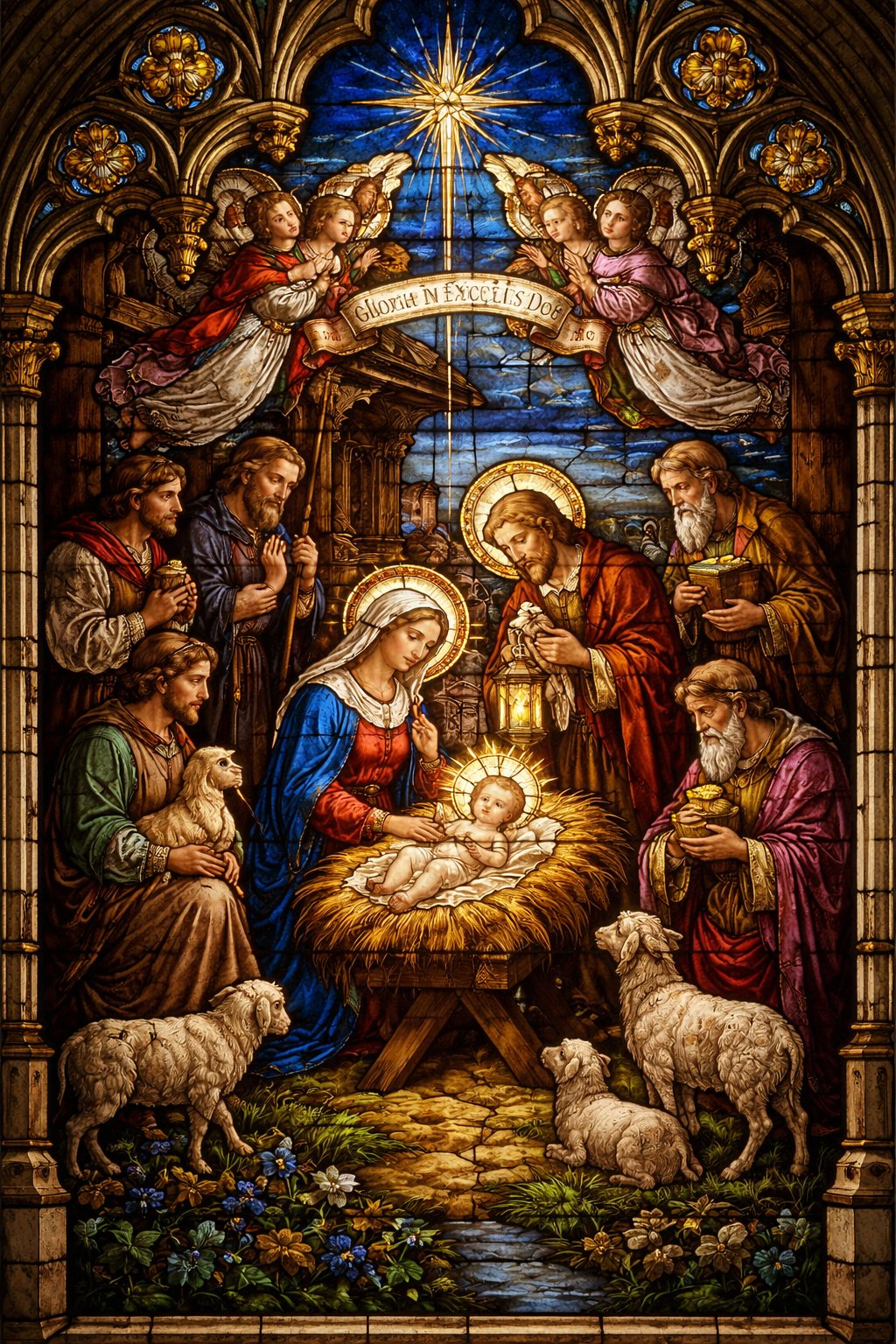
One of the most beautiful—and often overlooked—chapters in carol history comes from medieval lullabies.
Women across England and France sang lullabies imagining Mary rocking the baby Jesus to sleep. These lullabies often explored:
Mary’s tenderness
Jesus’ vulnerability as an infant
the bittersweet awareness of his future sacrifice
the quietness of night and motherhood
These “Christ-child lullabies” shared themes and storytelling devices with early carols, including:
the chanson d’aventure, where the narrator unexpectedly encounters a sacred scene
simple, swaying rhythms that mimic rocking a child
emotional intimacy rather than grand theology
As lullabies and carole-style songs merged, the first recognizable Nativity carols were born.
Songs like Lullay, Lullay (the Coventry Carol) are direct descendants of this tradition.
The Franciscans: Bringing Music to the People
By the 13th century, the Franciscan friars revolutionized the role of music in ordinary life. They traveled from town to town, preaching, teaching, and—most importantly—singing.
Here’s what made them influential:
They used vernacular languages, not Latin.
They set religious lyrics to familiar folk melodies, so everyone could participate.
They encouraged public singing, outside of formal church settings.
Their preaching blended joy, storytelling, and compassion, which aligned perfectly with the spirit of carols.
The Franciscans didn’t invent carols, but they helped them spread like wildfire across Europe. What started as a dance song transformed into a devotional street song—something joyful, accessible, and rooted in everyday spirituality.
The Reformation: When Congregations Found Their Voices
Jump to the 16th century, and Europe is undergoing the Protestant Reformation. Music becomes a battleground of beliefs.
At the center stands Martin Luther, who loved music deeply and called it “the handmaiden of theology.”
Unlike some of his contemporaries, Luther believed:
Music was a divine gift that existed before human sin.
Singing was a form of prayer anyone could participate in.
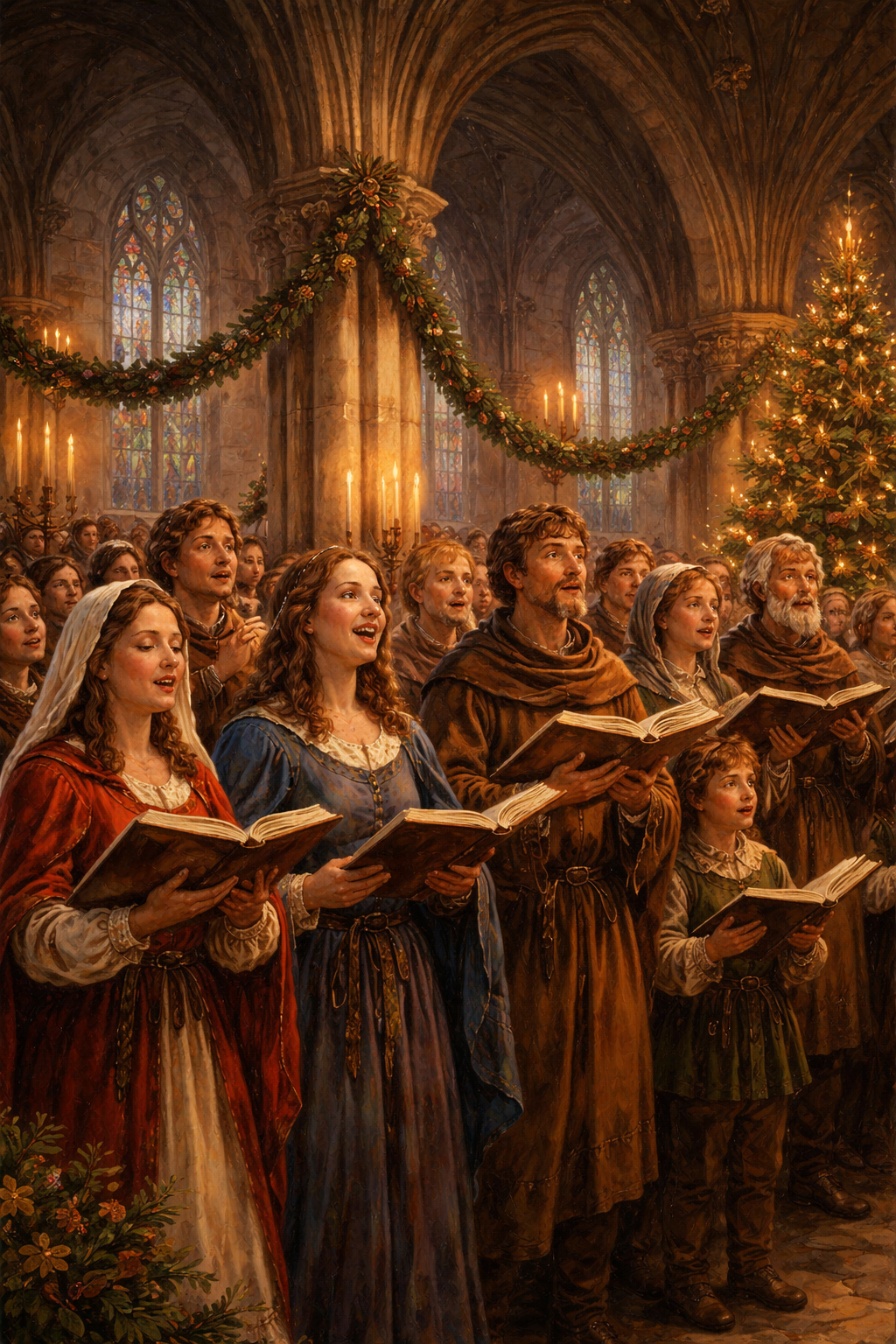
Congregational singing should be central to worship.
Songs should be in the vernacular, so people understood their own prayers.
Luther wrote more than 30 hymns himself and encouraged simple, powerful melodies that became the basis of Lutheran hymnody. This environment later nurtured composers like Johann Sebastian Bach, whose sacred works define the sound of Christmas concerts even today.
While Luther encouraged robust singing, other reformers like Zwingli and Calvin took stricter approaches. Calvin allowed only Psalms to be sung; Zwingli banned church music altogether. These debates shaped how different Christian communities experienced carols for centuries.
What Makes a Carol a Carol?
By the late Middle Ages, the English Christmas carol had settled into a distinctive form:
1. Refrain (Burden)
A memorable chorus repeated after each stanza. This made carols easy to learn—and perfect for group singing.
2. Storytelling Verses
Narratives ranging from the Nativity story to local folklore, winter celebrations, and community life.
3. Accessible Melodies
Tunes were often borrowed from well-known popular songs. The goal wasn’t complexity. It was participation.
4. Community Performance
Carols were sung in homes, at feasts, in marketplaces, and sometimes near churches—but not only by choirs.
The Franciscan friar James Ryman preserved more than 100 carols in the 15th century, making his manuscript one of the largest sources of medieval carol texts today.
A Thousand Years of Song
The Christmas carols we sing today—Silent Night, O Come, All Ye Faithful, Joy to the World—are the product of many musical streams flowing together. Carols evolved because people kept singing them, adapting them, translating them, and infusing them with the spirit of their time.
That’s what makes carols so powerful: they are living songs, shaped by communities across centuries.
When we sing them now, we join a chorus that began long before us—and will continue long after.
The Christmas carol is more than a holiday tradition.
It’s a reminder that music connects us—across cultures, across time, and across the stories we tell every winter about hope, wonder, and light.
